GSLV-F18 Successfully Places NVS-03 into Orbit ISRO successfully launched the GSLV-F18/NVS-03 mission from the Second Launch Pad at Satish Dhawan Space Centre, Sriharikota, at 11:51 PM on 30 October 2026. The GSLV-F18 rocket placed the NVS-03 satellite into its intended Geosynchronous Transfer Orbit (GTO). On 31 October, ISRO completed the satellite's first orbit-raising manoeuvre using its onboard propulsion system. Additional manoeuvres were planned to position the satellite in its designated geosynchronous orbital slot at 111.75° East. The launch represented another step in strengthening India's independent satellite navigation infrastructure. NVS-03: Third Next-Generation NavIC Satellite NVS-03 is the third satellite in India's five-satellite second-generation navigation series, comprising NVS-01 to NVS-05. Its major technological features include: Indigenous atomic clock: Provides highly accurate timing signals essential for satellite navigation. L1 frequency band: Improves compatibility with modern navigation receivers. L5 and S-band signals: Support the existing NavIC navigation services. Geosynchronous orbit: Enables the satellite to provide navigation signals over its designated coverage region. The new satellite is designed to improve the reliability and continuity of India's regional navigation services. NavIC: India's Indigenous Satellite Navigation System NavIC (Navigation with Indian Constellation) is India's own regional satellite navigation system, developed by ISRO. It was previously known as the Indian Regional Navigation Satellite System (IRNSS). NavIC provides three essential services: Positioning: Determines the geographical location of a receiver. Navigation: Supports route guidance and movement tracking. Timing: Provides accurate time references for communication and other critical systems. NavIC covers the Indian landmass and an area extending approximately 1,500 km beyond India's geographical boundaries. Civilian and Strategic Applications The NavIC system supports a wide range of activities, including: Road transport and vehicle navigation Aircraft and maritime navigation Disaster management and emergency response Precision agriculture and location-based services Telecommunications and timing synchronisation Defence and strategic operations NavIC provides a Standard Positioning Service (SPS) for civilian users and an encrypted Restricted Service (RS) for authorised strategic users. India's Next-Generation Navigation Satellite Programme NVS-01 Launched in 2023 First second-generation NavIC satellite; carried an indigenous atomic clock. NVS-02 Launched in 2025 Could not reach its intended operational orbit because of an orbit-raising problem. NVS-03 Launched in 2026 Successfully placed in transfer orbit; first orbit-raising manoeuvre completed. NVS-04/05 Upcoming satellites Planned to further strengthen the NavIC constellation. The NVS programme supports India's goal of reducing dependence on foreign navigation systems and developing reliable domestic space infrastructure.
Loading article
Getting the latest update ready to read.
ISRO Successfully Launches NVS-03 Satellite to Strengthen India's NavIC Navigation System
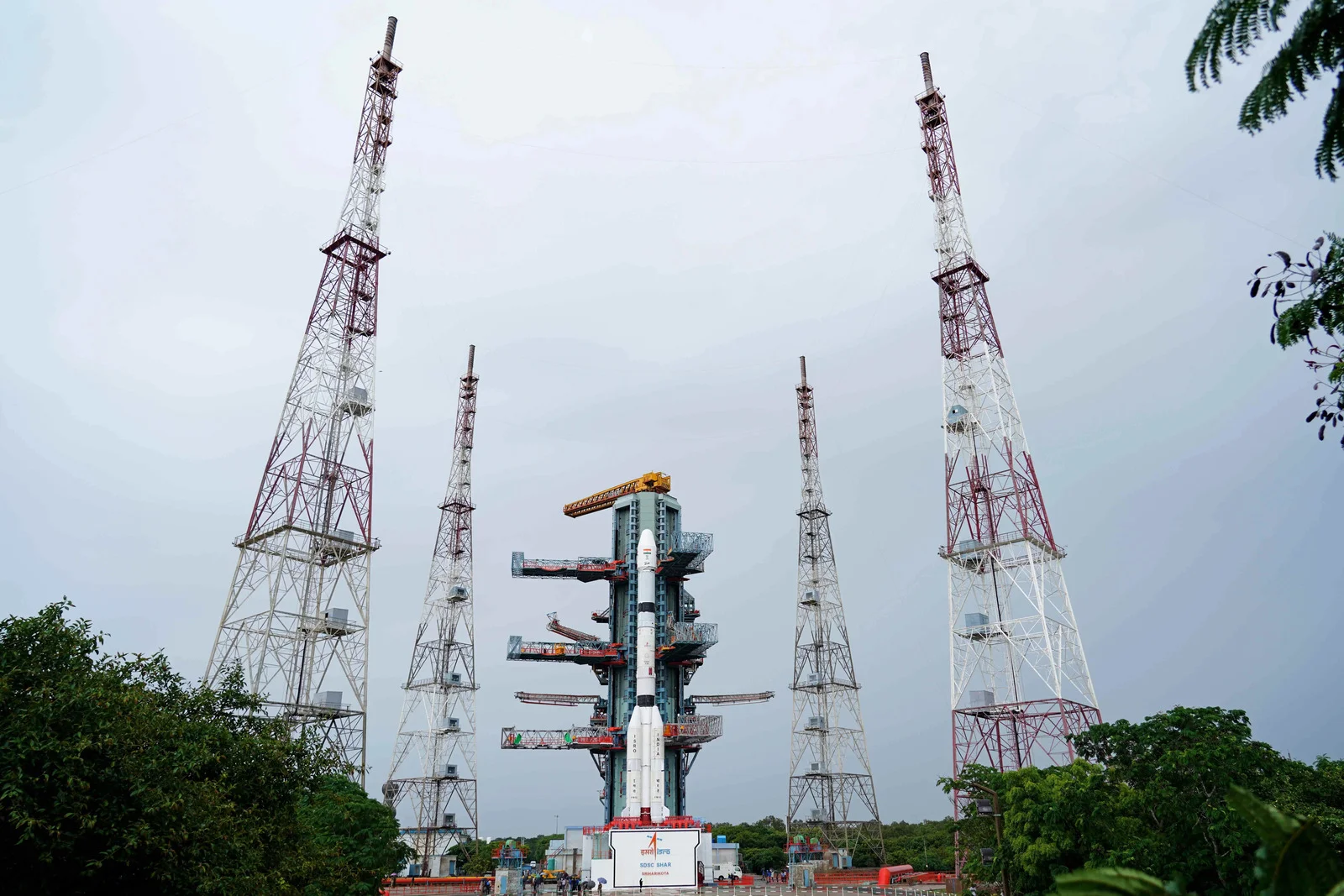
The Indian Space Research Organisation (ISRO) successfully launched the NVS-03 navigation satellite aboard GSLV-F18, strengthening India's indigenous NavIC satellite navigation system. The mission marked the 20th flight of the GSLV rocket and introduced enhanced navigation capabilities using advanced satellite technology.
Key Highlights
- Mission: GSLV-F18/NVS-03
- Launch vehicle: GSLV — 20th flight
- Satellite: NVS-03, third second-generation NavIC satellite
- Launch centre: Satish Dhawan Space Centre, Sriharikota
- Orbit: Geosynchronous Transfer Orbit (GTO)
- NavIC coverage: India and approximately 1,500 km beyond its boundaries
- Navigation signals: L1, L5 and S-band
- Key indigenous technology: Atomic clock for precise navigation timing
Source: ExamTier Current Affairs
Share your feedback
Have a suggestion about this article? Send it privately to our editorial team.
 Current Affairs
Loading related article
Loading date
Current Affairs
Loading related article
Loading date
Current Affairs
Loading related article
Loading date
Current Affairs